Repairing Living Heritage in Samandağ (2026)
A community-led planning workshop in Mağaracık on land, livelihoods and the future of a neighbourhood after the earthquakes

In April 2026, ASF-UK, Deprem Dayanışması Derneği (Earthquake Solidarity Association, DDD), and Samandağ Municipality co-organised a five-day community-led planning workshop in the neighbourhood of Mağaracık, Samandağ, as part of ASF-UK’s Change by Design programme. The initiative brought together residents, civil society organisations, public authorities, and academic and practice partners, including the Istanbul Policy Center, Mekanda Adalet Derneği (Centre for Spatial Justice), Urban.koop, the University of Sheffield, and University College London.
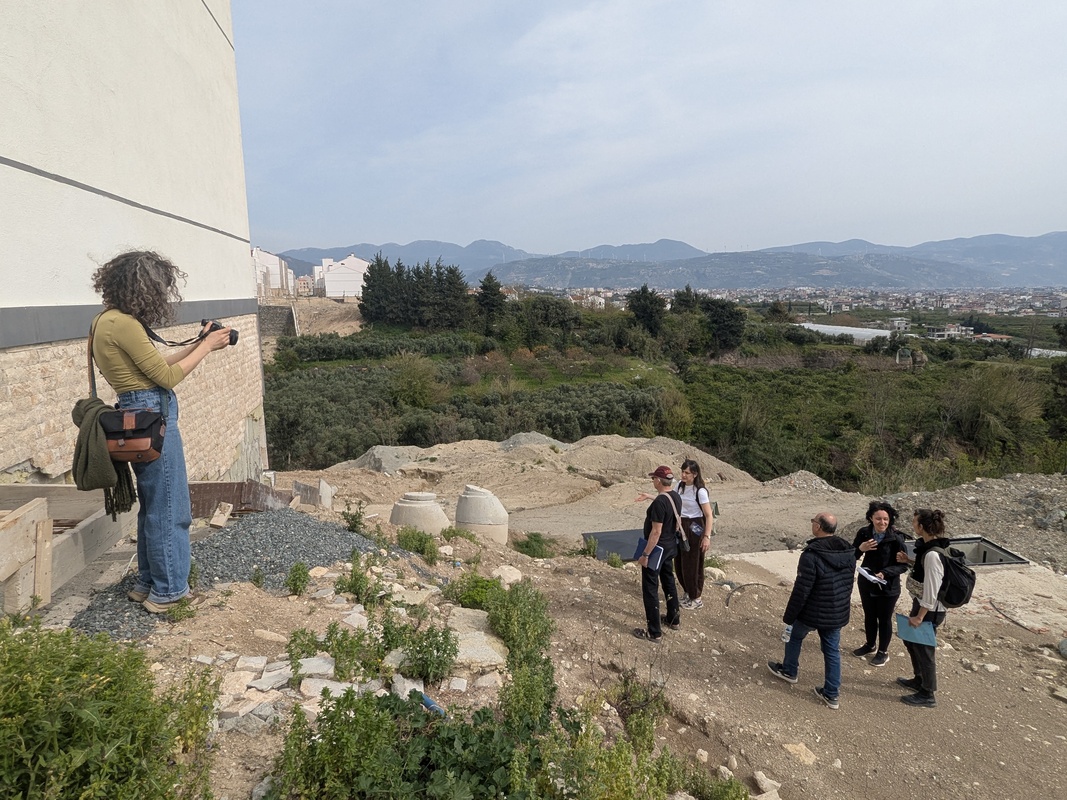
Mağaracık was selected as the focus of the workshop because it illustrates the tensions shaping post-earthquake recovery in Samandağ, one of the districts hardest hit by the 2023 earthquakes. Although the neighbourhood was comparatively less damaged than other parts of the district, its residents have been profoundly affected by reconstruction, particularly the development of mass housing estates on surrounding agricultural land. Land expropriation, the loss of agricultural livelihoods, and the transformation of the natural and cultural landscape have raised concerns about the future of local ways of life and community identity. These concerns are particularly significant in a district home to ethnic and religious minorities, including Arabic-speaking Alawis and Christians.
The workshop used living heritage as a framework for understanding these changes and their implications, and for exploring alternatives. Understood as the evolving relationships between people, practices, and places, living heritage shifts attention beyond housing delivery to the everyday activities, collective knowledge, social relationships, and ecological systems that sustain communities and are shaped by them over time.
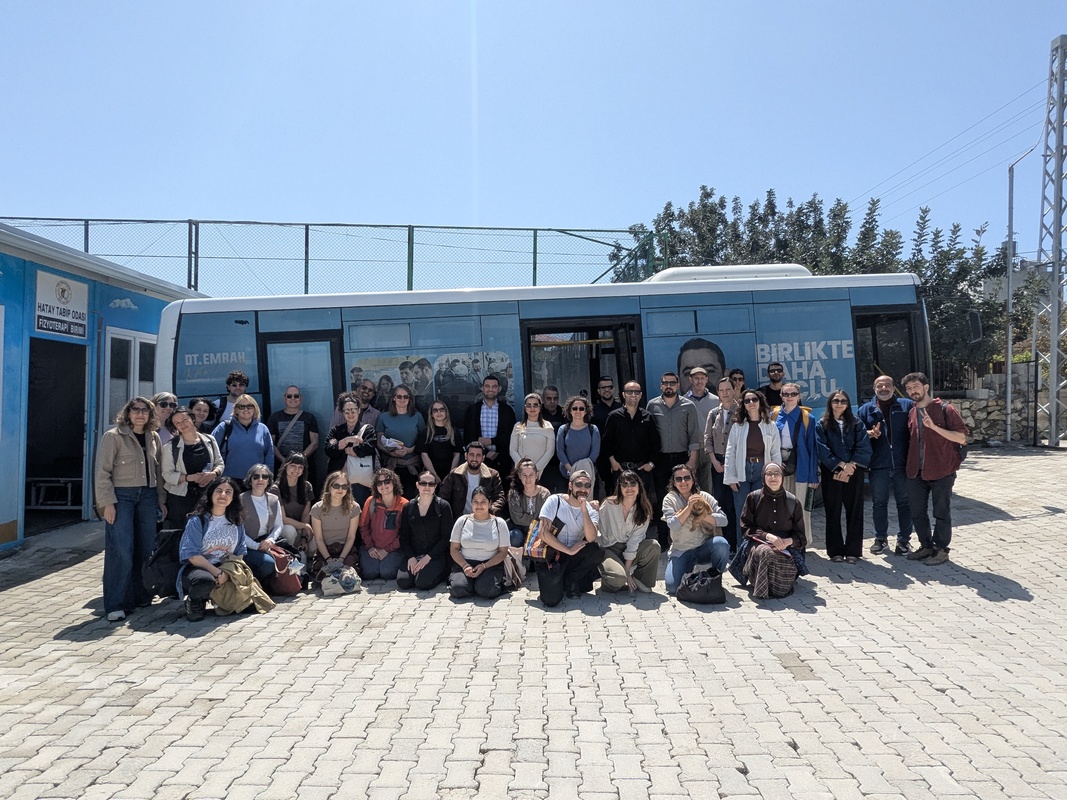
Following a study tour of Samandağ, participants worked across three interconnected scales: dwelling, community, and city. Through household timeline interviews across five neighbourhoods, neighbourhood walks, participatory mapping, dream-space modelling, and interviews with representatives of public institutions and civil society, the process documented residents’ experiences of reconstruction and explored their aspirations for the future. The activities focused on the first two stages of ASF-UK’s Change by Design methodology: diagnosis, to understand ongoing transformations and what is at stake, and dreaming, to collectively envision alternatives and identify priorities for action.
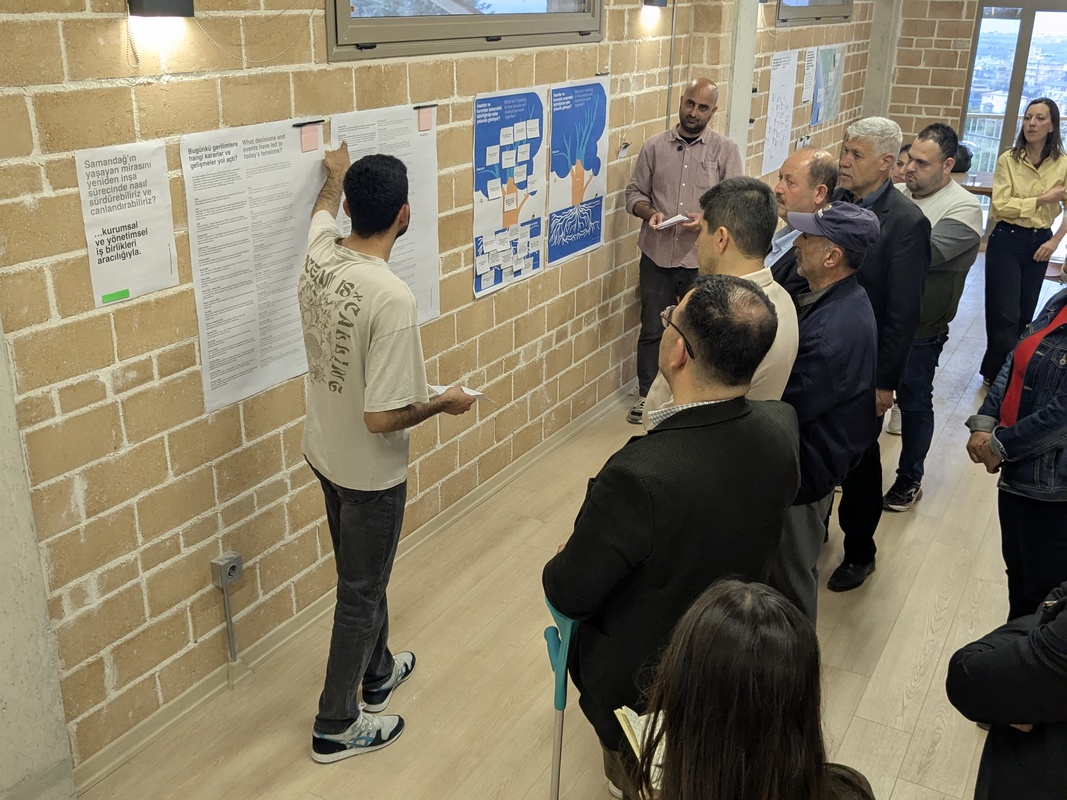
The workshop concluded with a public event at Mağaracık Community Centre, attended by more than 75 residents, civil society representatives, and institutional stakeholders. An interactive exhibition presented the findings, invited wider discussion, and opened up dialogue on possible interventions.
The resulting report translates residents’ knowledge and aspirations into practical priorities for neighbourhood recovery and identifies opportunities for collaboration between communities, civil society, and public authorities. The workshop and report aim to demonstrate how participatory planning can complement technical approaches to reconstruction, helping ensure that recovery sustains not only homes and infrastructure but also the relationships, livelihoods, and cultural practices that make a place home.